
Conservation Areas
We explain what conservation area are
Conservation areas are designated by local planning authorities and are defined as ‘areas of special architectural or historic interest, the character or appearance of which it is desirable to preserve or enhance’. If you live in a conservation area, it is best to check with the local council before starting work which would not need planning permission elsewhere. Otherwise you may end up facing enforcement action.
If the property for which you are seeking planning permission is a listed building or lies within a conservation area, your proposal is likely to be subject to stricter planning controls.
Outline planning permission is not normally accepted in a conservation area as it is difficult for councils to evaluate the impact of a proposal without seeing the full details. Living in a designated conservation area has the following effects on planning permission:
Applications for planning permission are advertised in the local press and on the site itself. “Permitted” development which does not require planning permission is more restricted than usual. New developments must preserve or enhance the area’s character or appearance. Unlisted buildings cannot be demolished without planning permission unless they are very minor. Satellite dishes cannot be installed in chimney stacks or roof slopes facing the road without consent.
Trees in conservation areas
If a tree is rooted in a conservation area, it is still protected even if it is not subject to a TPO. For this reason you must notify the local council if you intend to carry out certain works on the tree. It is recommended that you do this before starting any works so you can establish whether your work is exempt from the rules.
If the local council gives consent to work on the tree, you may start work within six weeks of the date you were notified of their consent. This notice period gives the authority time to consider whether a TPO is needed.
Bats and the law
In Britain, all bat species and their roosts are legally protected by both domestic and international legislation. You will be committing a criminal offence if you:
Deliberately capture, injure or kill a bat intentionally or recklessly disturb bats in its roost or deliberately disturb a group.
Damage or destroy a bat roosting place (even if the bats are not occupying the roost at the time).
Possess or advertise/sell/exchange a bat (dead or alive) or any part of a bat. Intentionally or recklessly obstruct access to a bat roost.

Bats found during building works
Bats and their roosts are protected by law. If work needs to be done to any building that is known or may contain a bat roost, the relevant statutory nature conservation organisation (SNCO) must be contacted in advance for advice. If bats are discovered during work then the work must stop immediately until the relevant SNCO has been contacted and advice given. Search for an approved ecologist in your local area for help and surveys.
What to do
It is recommended to have an informal discussion with conservation specialists at your local council before drawing up detailed plans to alter a listed building or build within a conservation area. Applications for consent to alter a listed building must include scaled drawings of your intended changes. You should also include a completed application form. The process of sending an application is free, and you have the right to appeal to the Secretary of State for Culture, Media and Sport if your application is refused.
Call DWG Plans on 0800 688 9345 or get in touch online today.
More Articles

Permitted Development Rights for Air Conditioning Reddit
As temperatures rise and energy-efficient heating and cooling systems become more common, air conditioning and air source heat pump installations are increasingly being added to both homes and commercial buildings.
Change Of Use From Commercial To Residential Class MA
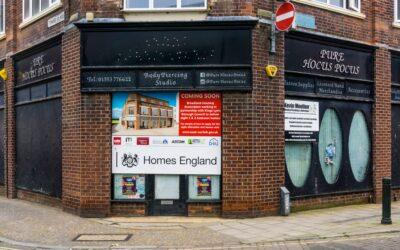
In the UK, certain commercial-to-residential conversions can be carried out under permitted development rights (PDR), specifically under class MA of the General Permitted Development Order (GDPO) 2015 (as amended).
Transform Your Home With A Garage Conversion
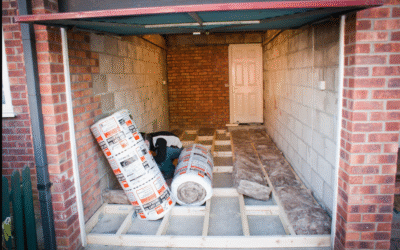
Most homeowners nowadays don’t use their garage to park a car in as cars have now become to large to fit into the existing garage. The most beneficial way to increase the size of the property and at a low cost is to convert this essentially wasted space into an additional reception room or bedroom.